For homes
Make available roof space part of a considered energy plan.
Explore solar generation, monitoring, battery options and future EV charging for houses, apartment buildings, renovations and new construction.
Explore residential solar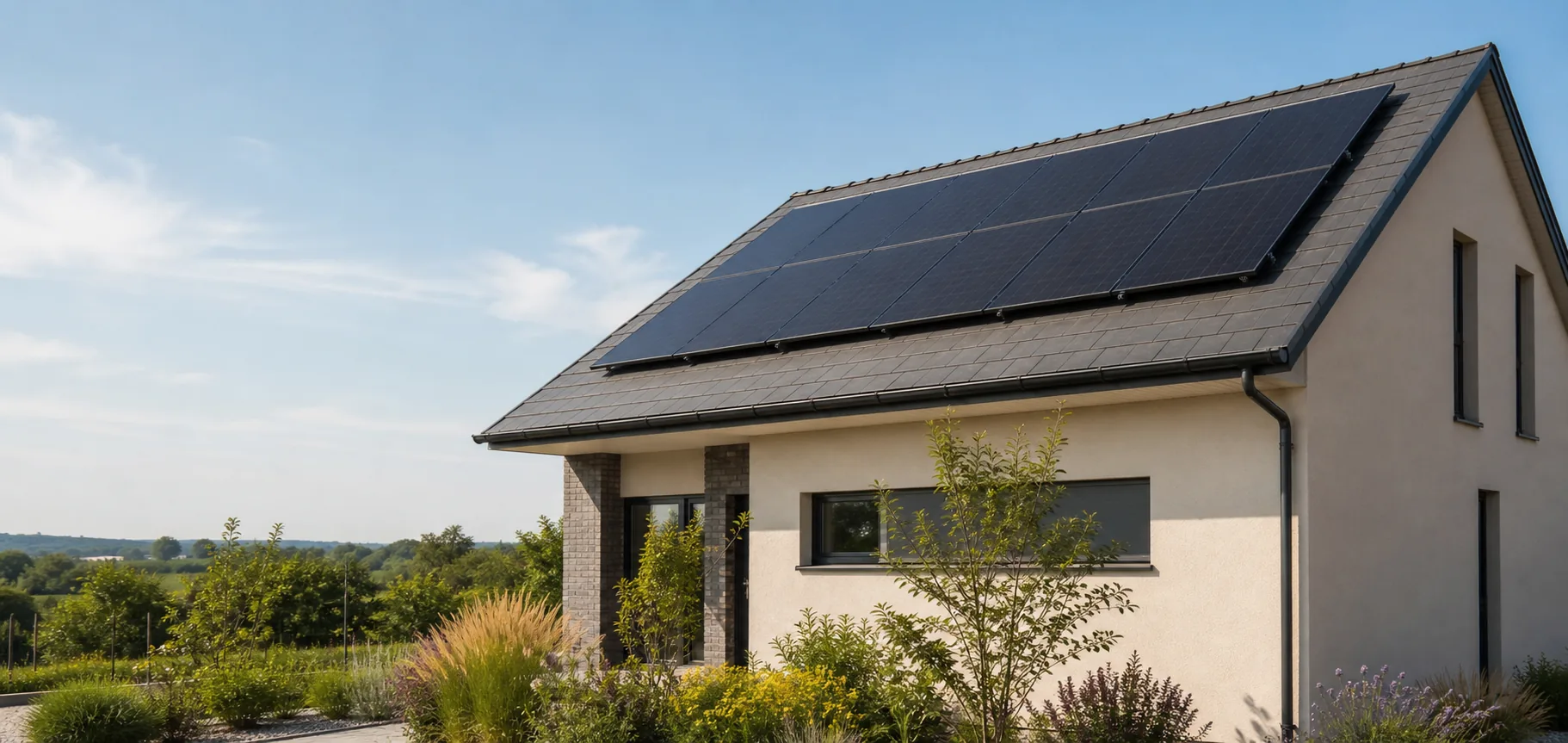
Residential · Commercial · Storage
Clear advice, careful system design and professional installation for homes and businesses across [Service Area].
Recommendations and potential benefits are confirmed after your roof, electricity use and installation conditions are assessed.
One property. A connected energy plan.
Start with the property, the energy problem and the way electricity is used. The right combination can then be assessed without burying you in technical language.
Solar, explained simply
Solar panels produce electricity when light is available. The property uses that energy as needed; a compatible battery may store part for later, while the grid continues to balance supply according to the approved system design.
Understand battery storageBuilt for different demand patterns
For homes
Explore solar generation, monitoring, battery options and future EV charging for houses, apartment buildings, renovations and new construction.
Explore residential solarFor businesses
Assess offices, shops, warehouses, factories, farms, hotels and developments around how energy is actually consumed throughout the day.
Explore business solarA clear route to installation
You should know what information is needed, what is being assessed and what happens next. The final programme depends on your property, equipment and approval requirements.
See the full processSubmit the location, property type, contact details and the energy goal you want to explore.
Electricity bills and a short description help establish when and how much energy the property uses.
A suitable visit time is agreed for [Service Area] and the required access is explained in advance.
Available area, shading, roof condition, access, electrical equipment and safe equipment locations are checked.
Completed installations
See the property context, installation scope and customer-approved outcome behind each completed system.
01[Customer Requirement and Energy-use Context]
View project details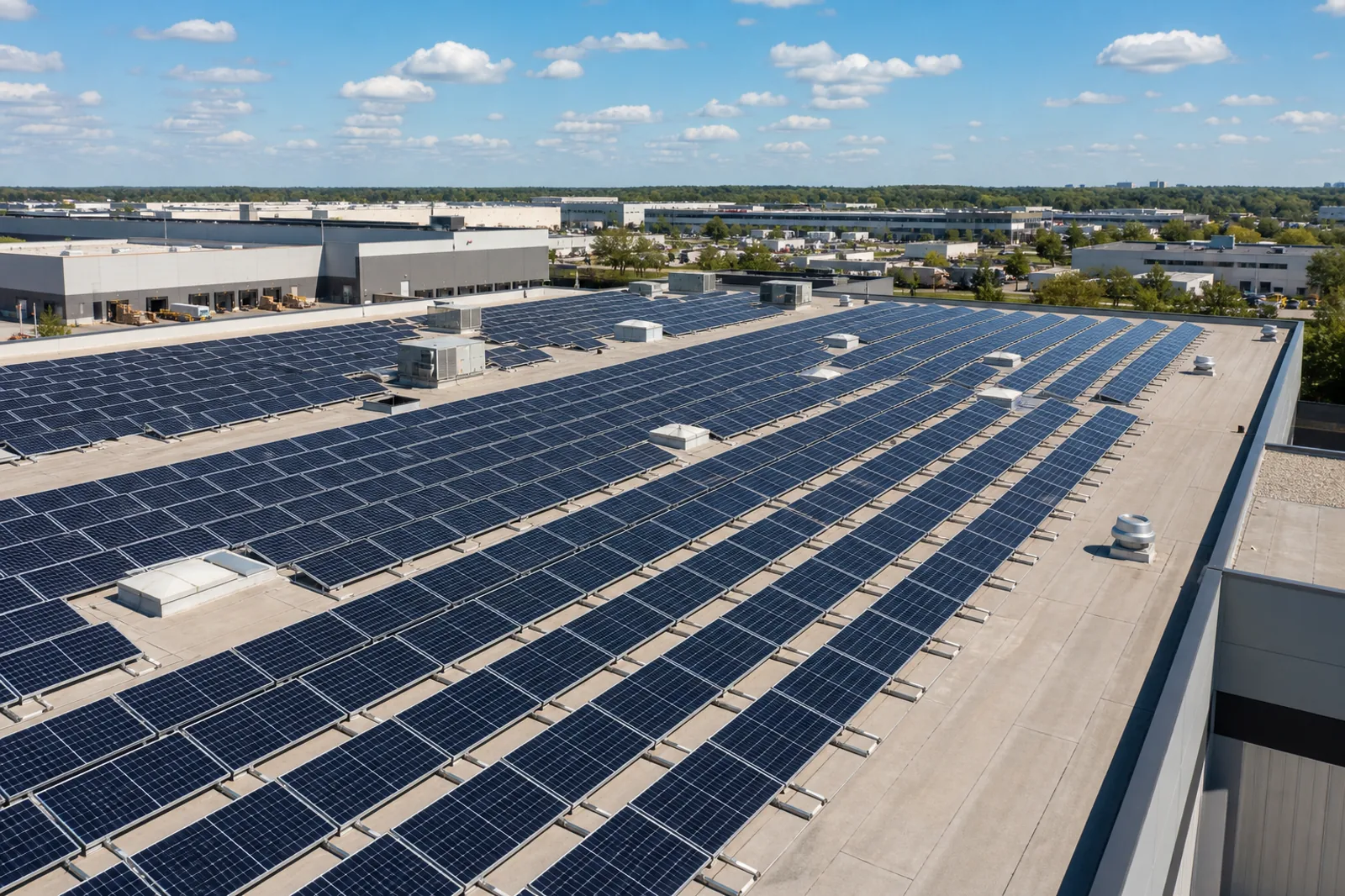 02
02[Business Operating Pattern and Project Requirement]
View project detailsCustomer experiences
“[Verified Customer Testimonial]”
“[Verified Customer Testimonial]”
“[Verified Customer Testimonial]”
Straight answers
Roof condition, energy use, future plans and local requirements all shape the answer. Here are the most useful places to begin.
Suitability depends on usable area, orientation, shading, roof condition, structure, access and local requirements. A property assessment confirms what is practical before a system is recommended.
The recommendation should reflect verified electricity use, when that energy is consumed, available installation space, connection limits and future plans such as a battery, heat pump or electric vehicle.
Recent bills are one of the most useful starting points. They help establish consumption patterns and avoid basing a quotation on broad assumptions. [Confirm Preferred Number of Bills or Billing Periods].
Yes, subject to the property assessment. Offices, shops, warehouses, factories, farms and hospitality buildings can have very different operating hours, roof conditions and electrical demand, so each design must be matched to the site.
Often this can be planned, but compatibility is not automatic. The existing inverter, electrical design, available equipment space, backup goals and approved battery options should be reviewed before promising an upgrade path.
A useful first step
Share the property location, recent energy use and what you want the system to achieve. A recommendation comes after the property is understood.